Roof Inspection Cost: Drone vs. Manual vs. Infrared, Compared
What drives roof inspection pricing — the real cost difference between drone, manual, and infrared methods, and which one is worth paying more
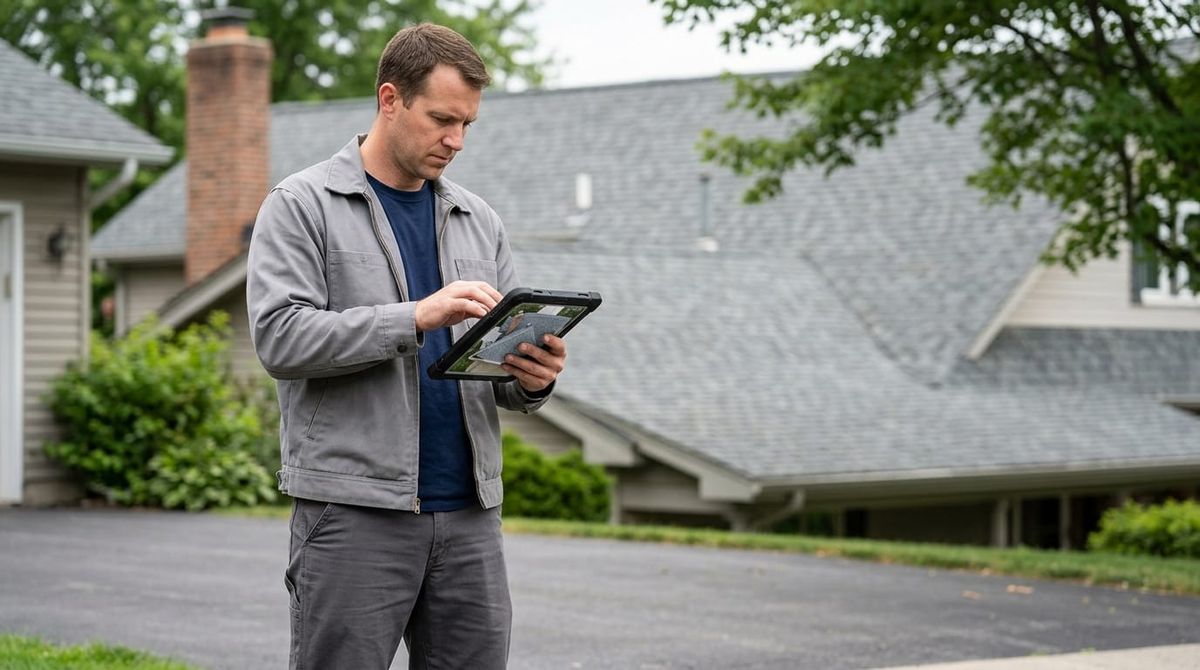
Roof inspection cost isn't one number — it's three, because the method changes the price. A drone flyover, a technician walking the roof, and an infrared moisture scan are different services with different price tags, and picking the cheapest one isn't always the right call.
Why Does Roof Inspection Pricing Vary So Much?
Because "roof inspection" describes three different services, not one.
- Drone inspection flies a camera over the roof surface. Fast, safe, no one climbs anything — but it only sees what a camera can see from above.
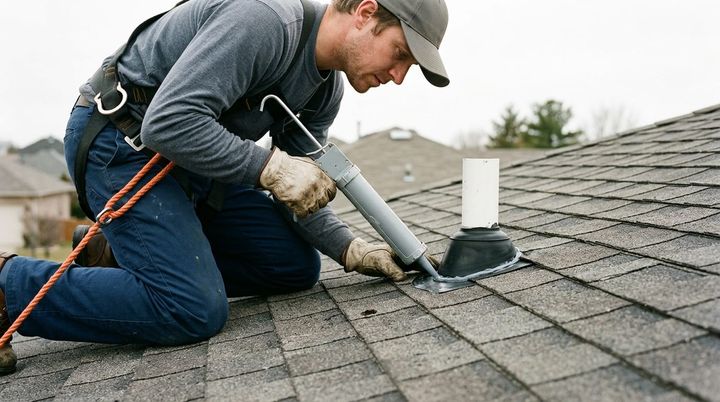
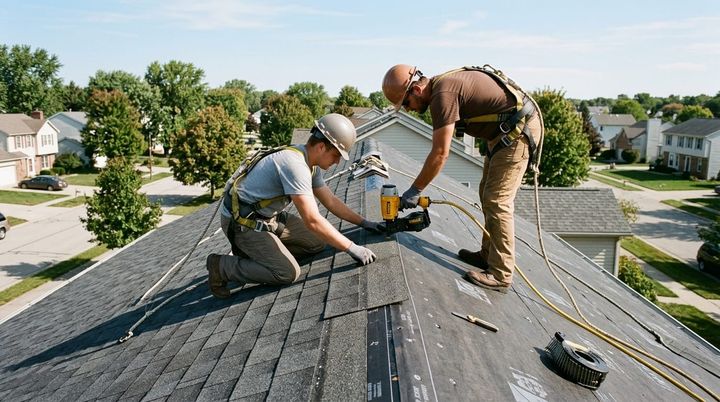
- Manual inspection puts a person on the roof and, ideally, in the attic. Slower, but it catches soft decking, loose flashing, and interior moisture a camera can't. Part of what you're paying for is safety compliance: OSHA requires fall protection for work six feet or more above a lower level (OSHA, retrieved 2026-07-29), which means harnesses, anchors, and trained crew rather than someone with a ladder.
- Infrared inspection uses thermal imaging to find trapped moisture under the surface, invisible to both a drone camera and the naked eye.
Comparing a price without knowing which of these three you're being quoted is comparing different products, not different rates for the same job.
How Much Does a Drone Roof Inspection Cost?
A standard residential drone inspection typically runs $150 to $400, and one advantage shows up in the clock, not just the invoice: a drone pass usually takes 30 to 60 minutes, versus 2 to 4 hours for a full manual walkthrough (Skyebrowse, retrieved 2026-07-29).
Larger and more complex roofs cost more with a drone too — multiple roof levels and panels mean more flight time and more photos to review, the same logic that drives up manual pricing on a bigger roof.
Is a Drone Inspection Actually Cheaper Than a Manual One?
Not always, and the honest answer depends on which source you ask — worth knowing before you assume drone is the budget option.
Pricing here is genuinely inconsistent across publishers. Some cost guides place manual inspections in roughly the same $150–$400 range as drone service. Others frame manual inspections as pricier — often the ones selling drone service specifically. One industry source puts traditional physical inspections at $300–$600, citing the added time, access equipment, and liability of putting a person on a roof (Skyebrowse, retrieved 2026-07-29). Take that framing with a grain of salt when it comes from a company selling the cheaper alternative. Get an actual quote for your roof instead of trusting either number blind.
What's not in dispute: a drone can't feel a soft spot underfoot. It can't check attic ventilation. It can't examine a valley from underneath. If you want a genuinely complete assessment, not just the lowest price, manual access to the roof and attic still matters — no matter which quote comes in lower.
When Is an Infrared Inspection Worth the Extra Cost?
When you suspect moisture that isn't visible yet — that's the specific problem infrared solves and the only one it solves.
Infrared thermography detects temperature differences that reveal trapped moisture under a roof membrane or decking, before it becomes a stain on your ceiling. As an add-on to a standard inspection, expect $100–$200 on top of the base price. As a dedicated standalone service, a full infrared inspection commonly runs $460–$790 (Angi, retrieved 2026-07-29).
It's worth the extra cost in specific situations. It's not worth adding as a default:
- You have a flat or low-slope roof, where trapped moisture is common and hard to spot visually
- You've noticed a musty smell or a soft ceiling area but no visible leak
- You're buying a property and want the strongest possible assurance before closing
- A previous leak was repaired and you want to confirm the surrounding area is actually dry
- You're assessing hail damage, where impact bruising can compromise a shingle mat without cracking the surface — FEMA's case-study work on hail-resistant roofing documents how differently materials hold up to the same storm (FEMA, retrieved 2026-07-29)
For a straightforward biannual check on a roof with no symptoms, infrared is usually unnecessary spend. For anything with a hint of hidden moisture, it's often the cheapest way to avoid a much bigger repair bill later.
How Do You Avoid Overpaying for an Inspection?
Match the method to the question you're actually trying to answer. Don't just pick the lowest number on the page.
- Routine biannual check, no known issues → a standard drone or manual inspection is enough. Don't pay for infrared you don't need. The twice-yearly cadence itself comes from the National Roofing Contractors Association, which recommends inspecting at least twice annually plus after major storms (NRCA, retrieved 2026-07-29).
- Suspected leak, no visible source → manual inspection with attic access, and consider infrared if the source isn't obvious.
- Insurance claim or home sale → manual inspection with full photo documentation. This is not where you want the fastest, cheapest option.
- Large or hard-to-access roof → drone first to scope the job, manual follow-up only where the drone flags something.
Whatever method you choose, ask for an itemized quote before booking. "Roof inspection: $250" tells you nothing about which of the three services you're actually getting.
Cost data updated July 2026. Figures are published US ranges and vary by region, roof complexity, and access.
What do you want to do next?
Three ways we can help from here.
Get the free contractor checklist →7 questions to ask any roofer before you call. Know what to ask, and what a good answer sounds like.Will insurance pay?What claims cover — and what they don't.Find financingReal cost over the term, not the monthly.
Frequently Asked Questions
Is a drone roof inspection as accurate as a manual one?
For surface-level issues — missing shingles, obvious damage, granule loss — a good drone inspection is often accurate enough. For soft decking, attic condition, or subtle flashing issues, a person on the roof still sees more.
Do commercial roofs cost more to inspect than residential ones?
Significantly more. Commercial drone inspections commonly run $500 to $1,500 or higher depending on building size, and manual commercial inspections requiring scaffolding or lift equipment can run into the tens of thousands for large industrial roofs.
Can I get a free inspection instead of paying for one of these?
Yes, and it's a normal, usually legitimate offer from roofing contractors — free inspections are covered in detail in our companion guide on what to expect and how to evaluate the offer.
Does insurance ever cover the cost of an inspection?
Occasionally, if the inspection is tied directly to an active claim, but don't assume it. Confirm with your insurer before booking if you're expecting reimbursement.
Comments ()