Roof Financing
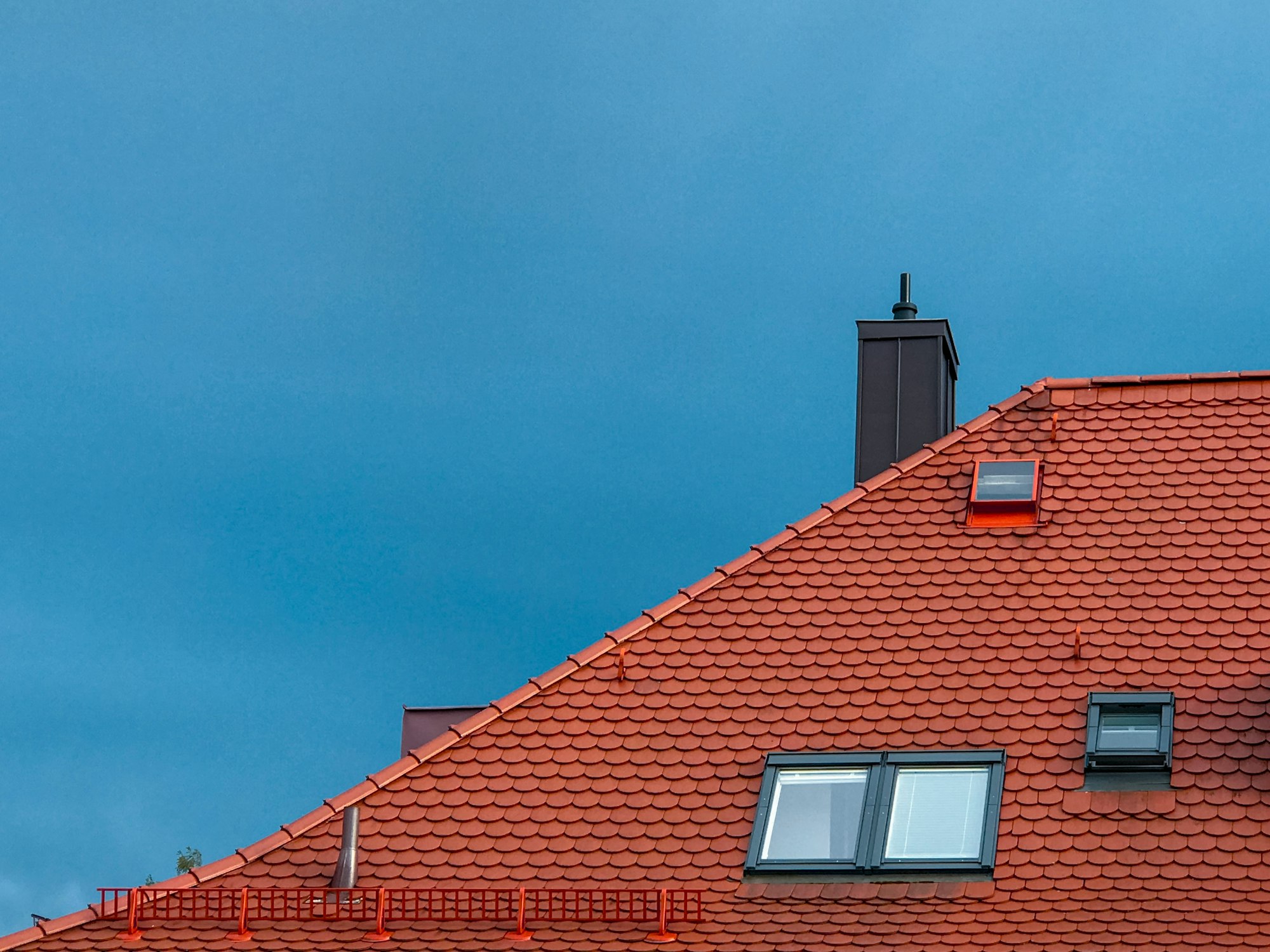
Most asphalt shingle replacements run $9,000 to $18,000, which is more than most households keep available. That makes financing a normal part of this purchase rather than a fallback — and it makes the terms worth reading as carefully as the roofing quote.
Know the number before you shop for the money
Financing decisions get worse when the price is still vague. Three things to settle first:
Estimate your roof cost — a range with every line itemized, so you know roughly what you're financing before you talk to anyone about paying for it.
What a roof replacement actually costs — ranges by home size and material, where the money goes (labor is 40–60% of the job), and the five factors that move your number up or down.
How to read a roof estimate — what every legitimate quote itemizes, where padding hides, and which exclusions to challenge. A quote you can't audit is a number you can't finance sensibly.
Get three bids on one written scope before committing to any payment plan. The cheapest financing on an inflated quote still leaves you overpaying.
The main ways people pay for a roof
Each has a different real cost over the term, and the cheapest monthly payment is rarely the cheapest total.
| Term | Monthly payment | What you pay in total |
|---|---|---|
| Shorter | Higher | Less interest overall |
| Longer | Lower | More — you pay for longer |
| Option | What to check |
|---|---|
| Cash or savings | No interest, but consider what the money would otherwise cover — especially your emergency fund |
| Contractor financing | Convenient, sometimes promotional. Read what the rate becomes after any 0% window ends |
| Home equity loan / HELOC | Often lower rates because the loan is secured — but it is secured against your home |
| Personal loan | Unsecured, faster, generally higher rate. No lien on the property |
| Credit card | Fastest, usually the most expensive. Reasonable only for a small repair paid off quickly |
| Insurance proceeds | If storm-related, this may cover much of the cost — settle the claim before financing the balance |
| Examples | Rate | What backs it | |
|---|---|---|---|
| Secured | Home equity loan, HELOC | Lower | Your home |
| Unsecured | Personal loan, credit card | Higher | Nothing — no lien on the property |
Three questions to ask about any offer, in this order:
- What is the total cost over the full term, not the monthly payment?
- What happens when a promotional rate ends — and is deferred interest charged retroactively?
- Is my home collateral? Secured debt is cheaper for a reason.
If the damage was storm-related, check insurance first
Financing a bill your insurer may partly cover is an avoidable mistake. See what roof insurance typically covers before you commit to a payment plan — including how your deductible affects whether filing is even worth it.
What do you want to do next?
Three ways we can help from here.
Get the free contractor checklist → 7 questions to ask any roofer before you call. Know what to ask, and what a good answer sounds like.